Working with Science and Soul
Over the years, as I studied Western herbalism and attended numerous herbal conferences I heard about Ayurvedic medicine, Chinese medicine, Arab unani tibb. But somehow, over 4000 years of existence, there didn’t seem to be a Jewish system of medicine or herbalism. There were no classes in Jewish herbalism offered!? It didn’t make sense. So I started researching and talking with people.
What I wanted to find, and tried really hard to find, was a system of practice that included a specific set of herbs that could be called Jewish herbalism. No such luck. And if you think about it, that doesn’t make sense. The Jews have been spread throughout the world for over 2000 years. You are going to use the plants that grow where you live and be influenced by the medical practices around you.
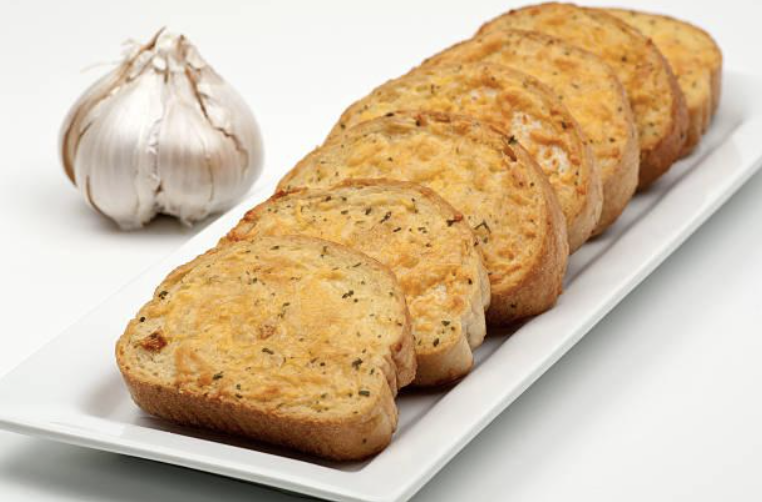
That being said, garlic may be the one universal Jewish herb. Thank goodness. I love garlic and do, in fact, have many garlicy recipes. My father would have preferred garlic spread on rye bread over the margarine and fortified white bread toast that was touted as healthy in the 70’s.
Still there are certain common outlooks on what it is to be human and practices that span many Jewish communities. So…. To understand these and be able to look at health through Jewish culture and religion, I had to go back to study. I love getting lost in a book or being challenged by a concept so I was excited to start!
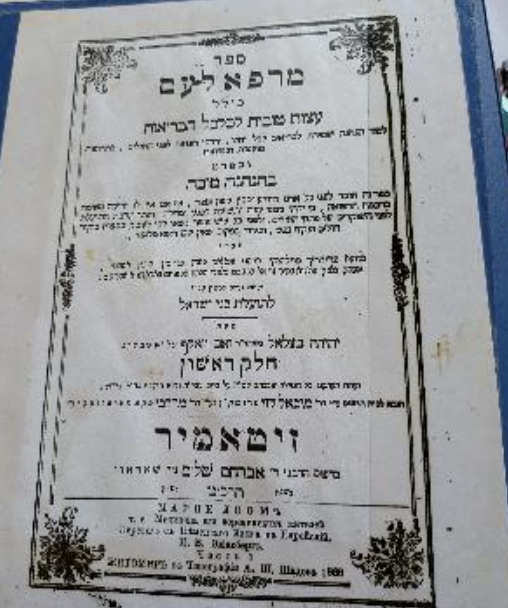
I have been and am studying texts in Hebrew, English and translations from a variety languages. The materials range from religious to medical texts written now and in previous centuries. I have a text from several centuries ago that gives a warning of the health risk of eating too much fatty food and treats over the winter holiday season. Not as much has changed as we think.
I expected that by the age of 60, I would have a definitive belief on G-d. That I would need that to explore traditional Jewish texts. Now, I don’t think that’s true, I just need to be in a relationship with the sacred and open to learning.
In my mind, meditation came from Eastern religions, plant spirit medicine was often based in Native American practices. I was surprised to find, and a bit aggravated not to know, that there is a tradition of Jewish meditation that is centuries old. There is also “plant spirit medicine” though it isn’t called this and has more to do with soul. Having practices that come from my own culture feels more natural to me, like I’m home. I also appreciate more how much having practices that fit into a person’s background can be more meaningful and helpful.
Where has this all taken me?
In Practice:
I hoped and expected that this learning would allow me to continue to develop a Jewish practice of herbalism. What has surprised me is that it allows me to connect with clients from many walks of life and religious beliefs. Having an understanding of prayer, appreciating religious practice, having a vocabulary and concepts around the sacred is common to many religions. Specifically, having learned the Bible and Psalms allows me to work with people of any religion that hold those texts as sacred. The study of Kabbalah has given me a way of talking and thinking about the sacred and mystical side of life.
This has taken me on an adventure with my clients and has allowed me to explore and I hope develop more depth as a person.
I am an herbalist and health coach, not a religious advisor. So practices revolve around a person’s health, holistically. I've learned that healing often means embracing a bit of mystery while applying the best of evidence-based science. A psalm or prayer before bed can be not just a connection to the sacred but also help with insomnia. Doing breathing exercises with the rosary or as a Jewish meditation can work on more than one plane. The sacredness of harvesting herbs with “plant soul” practices changes the whole experience and the feel of being outdoors.
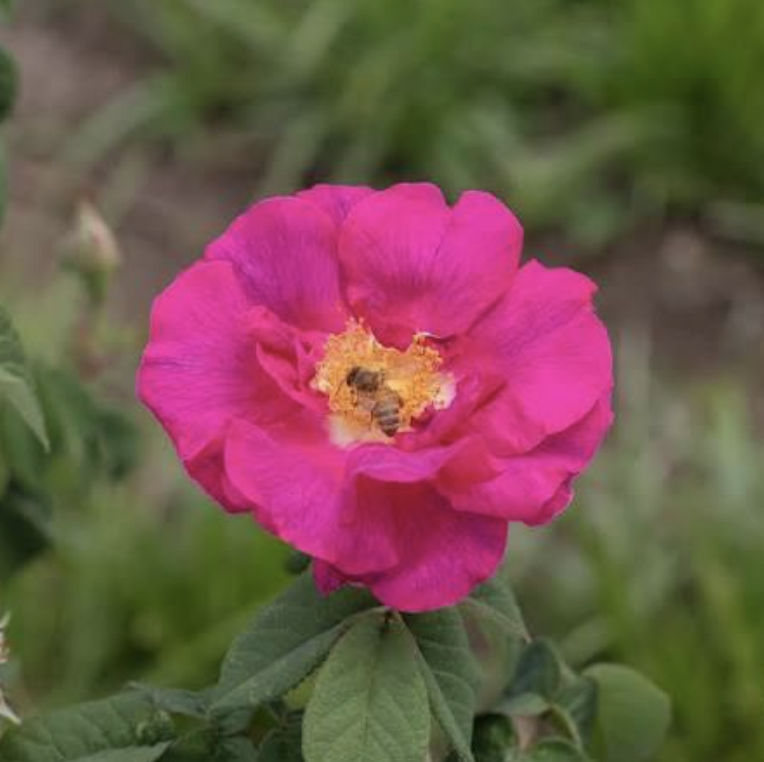
I have also found a wonderful group of people on the same journey. Books are being written, practices mixing tradition and herbalism are being developed. People are going deep into Jewish literature to find references to herbal and health practices. This community exchanges knowledge, support and sometimes wonderful rose honey or a blackberry cordial recipe.
This is a path that I am grateful for and at the beginning of, but I think it enables me to offer health services that can blend traditional, holistic, and science into a modern, scientifically based herbal health practice.